When I was a kid, I loved looking for our Easter Baskets. Finding things was one of my favorite games any time of the year (I am a Hufflepuff!), and Easter afforded the magical opportunity to find multitudes of treasure in the form of bright plastic eggs. I liked the chocolate inside of course, but the delight of discovery was just as sweet. The Easter Baskets were the Big Prize of the hunt, and my boundlessly creative parents would somehow find new unexpected hiding locations every year. One particularly memorable Easter when we were at my grandmother’s house, I found a basket IN her grandfather clock! After I hit puberty, I reluctantly relinquished the ritual of egg-hunting to my little sisters (although if given the chance, I would still enthusiastically join any treasure hunt, as evidenced by my love of video games and Escape Rooms).
I also loved the Easter story. I was tapped from an early age to sing for church and threw myself enthusiastically into the music, especially around Easter. If I could make someone (or myself) cry during the Tenebrae Service, I knew I was doing Easter right. The emotion and drama of Christ’s death and resurrection spoke to something in my personality (any Enneagram 4s out there?). It’s a powerful narrative: the suffering and sacrifice of Jesus (“It was my sin that held him there!!”), the moment when Darkness seems to win, and then Good triumphs as Jesus emerges from the tomb Easter morning (“Christ the Lord is risen today!!”). I did more than believe – I internalized, I felt, I experienced. This was The Greatest Story (just a teeny bit ahead of The Lord of the Rings, because I didn’t want to be sacrilegious). I also really loved nature, so the combination of flowers coming back to life at the same time GOD came back to life represented an annual ritual of rebirth – a fresh start, even better than New Year’s! (Sure, my awfulness was why God needed His Son to die horribly in the first place, but yay Jesus is alive, so everything’s good now!). I’m the kind of person who needs time and space for self-reflection, and Holy Week was always the perfect opportunity for a spiritual reset.
But this year, I don’t want to think about it at all. I recently finished Rescuing Jesus: How People of Color, Women, and Queer Christians are Reclaiming Evangelicalism by Deborah Jian Lee, which tells the stories of Christians who pushed back against their college’s anti-LGBTQ policies, or spoke up for racial justice in churches that didn’t want to hear from people of color, or pursued pastorship despite the fact that *gasp* they were born with a vagina! I was inspired by the people who have paved the way for a more inclusive and loving Christianity, but I could also feel my spirit sinking as the author wrote about how she was hopeful that these trends would continue. The book came out in early 2016, right before 87% of white evangelicals voted for Trump mere weeks after the video came out in which he bragged about sexually assaulting women.
After this past year, I’m not sure I want anything to do with Christianity. I think of massive, maskless gatherings during a global pandemic (and selling “Jesus Christ, Superspreader” t-shirts, as though hundreds of thousands of families aren’t grieving the loss of a loved one). I remember the cold criticism and lack of empathy for Black communities during the (mostly masked and peaceful) protests last summer. I heard the deafening silence when hundreds of (mostly white) people carrying “Jesus Saves” flags erected a noose in front of the Capitol and tried to kill our congresspeople. I see the words in comments sections of people I know that demean and dehumanize LGBTQ people. I feel the judgemental implications from social media posts that suggest I’m not a “godly woman” because I love my job, and don’t have kids, and share equal decision-making power with my spouse. I’m just now beginning to unpack the psychological effects of hearing for years that I am at my core “totally depraved” and that God would be fine with eternally torturing me if I didn’t follow the right rules or beliefs.
This Easter, I can’t see Christ because of the Christians.
The other day, I tripped on an uneven sidewalk while running downhill and landed on my right hand. I didn’t break anything, but I scraped and bruised my hand pretty thoroughly. Since then, I’ve been trying to avoid using that hand so thay it can heal. I’ve been icing it to numb the pain and reduce swelling. I’ve used alcohol to clean the open wounds of any dirt, and I’ve covered them with a band-aid so that the new skin can grow back uninterrupted.
Right now, I have to approach my faith like my injured hand. Practicing Easter this year feels like trying to rip off a bandaid while the scab is still trying to form, or doing push ups while the flesh is still swollen and tender. To heal, I need to rest and not cause additional stress or aggravation to the healing process. I may need to numb a bit and cover up where the wounds are freshest. I don’t know where Jesus fits into that, and I don’t think I have the mental or spiritual capacity to figure that out right now. Maybe you don’t either, and that’s ok, even if it means not being religious on Easter, or acknowledging the holiday at all. Self-care may mean creating distance instead of forcing yourself to push through a place of pain to meet a certain expectation.
As I mentioned at the beginning of this post, I do love finding things. Perhaps if Jesus is anywhere this Easter, he’s in the people the majority of Christians reject, but who have brought so much light to my life. I see Jesus in my pastors, a married couple who take turns preaching and have joyfully officiated the weddings of many same-sex couples in our church. I see him in the small group of people who have been doing music for our recorded services, week after week (no matter where my faith is at, I seem to always find joy in familiar hymns and worship songs). I see him in the gentle, quiet service of my spouse when he cooks and does all the grocery shopping for us. I see him in my nonreligious friends and family, who continually show me love and grace and inspire me with their commitment to calling out injustice. I see him in my friends and family who remain Christian, even when they are constantly criticized because they dare to defend queer folks (or come out themselves). And because I’m really a druid at heart, I see Divine Beauty in the new green reaching out from the tips of the trees. Maybe all of that is God, and maybe it’s just Love. Maybe they’re the same thing.
And having that in my life is better than finding any brightly-colored plastic egg or Easter basket this Holy Week.
I’m cross-blogging this one from a piece I did for work, but I’ve been part of enough conversations on Facebook lately that I wanted to share here as well.
Since this blog also incorporates religion, I’ll just add this to the original: Christians are, as a whole, supporting policies that hurt transgender people. We are not living by Jesus’ words to love our neighbor as ourselves, and before you condescendingly speak as if you know better than a transgender person about what is right for their soul and body, consider this: how would you feel if you had to live every day with people deliberately using your wrong pronouns and name? How would you feel if you were constantly afraid of getting beaten up and bullied, in the bathroom or in the comments section? How would you feel if the intimate details of your body were being coldly “debated” on national TV? How would you feel if you were a teenager who had to undergo an invasive medical exam to “prove” you can play soccer with your friends? This is an opportunity to love and listen like Jesus, and instead our prejudice has made us blind to where the Spirit is moving.
And the wild thing is – some transgender people still choose to remain Christians. That kind of love and forgiveness toward the very people who say such hurtful words and vote for such harmful laws is a reflection of the face of God if there ever was one. Transgender people can show the rest of us so much about the creative, courageous, compassionate Divine, and we are completely missing that gift at best and outwardly persecuting it at worst. Christ have mercy. Cisgender Christians, we can do better. And good first step is to educate ourselves.
Original Post:
March 31st is International Transgender Day of Visibility! You may have seen headlines going around in the recent news cycle about how some lawmakers are introducing bills that would prevent transgender athletes from playing sports on the team that corresponds with their gender identity. There seems to be a lot of misinformation circulating, so this week we’re tackling some false assumptions about transgender athletes.
Myth: Restrictions on transgender athletes are limited to only a few parts of the United States.
Fact: In the United States, at least 35 bills in 20 different states have been introduced that would ban transgender athletes from participating in the sports league that aligns with their gender identity.
Although LGBTQ rights activists have been opposing similar bills for years, there as been a surge of anti-trans bills introduced in the wake of the Biden administration’s executive order that prevents discrimination based on sexual orientation or gender identity. The administration has not taken an explicit stand on how this order would apply to transgender sports participation in public education settings, so many states are responding by attempting to restrict whether transgender athletes can play in the league that corresponds to their gender identity. The Human Rights Campaign is tracking the status of these proposed bills here.
Myth: Transgender participation in sports is a new issue.
Fact: Many transgender people already participate in sports with the league that aligns with their gender identity and have been for years.
Transgender people are already very visible in sports! The Olympics have allowed transgender people to compete since 2004. California has had a law protecting transgender athletes’ right to play on the team of their gender identity since 2013. There are many well-known transgender athletes from around the world competing in the sports league that matches their gender identity, from swimming to soccer to cycling. And outside of the professional sports world, transgender youth and college students play alongside cisgender teammates.
Myth: Transgender participation in sports will result in an unfair advantage for cisgender athletes, especially in women’s sports.
Fact: Transgender athletes, as individuals and as part of a team, sometimes win and sometimes lose, just like cisgender athletes.
This myth is especially prevalent among discussions about transgender women playing with cisgender teammates in women’s sports. Although the science is still evolving, current studies show that there is not evidence to support this generalization. There are many factors, from training to hormone levels to genetics, that influence a person’s athletic ability. According to Katrina Karkazis, who is a senior visiting fellow and expert on testosterone and bioethics at Yale Universities, “Studies of testosterone levels in athletes do not show any clear, consistent relationship between testosterone and athletic performance. Sometimes testosterone is associated with better performance, but other studies show weak links or no links. And yet others show testosterone is associated with worse performance.”
Sports statistics also indicate that fear over transgender women always beating their cisgender counterparts is unfounded. For example, trans women have yet to qualify for the Olympics, and many cisgender women have beaten transgender women in sports. Notably, in a recent Connecticut lawsuit filed by cisgender high school track runners against transgender runners, one of the cisgender girls alleging unfair advantage actually won against one of the transgender girls in their final two races.
Schuyler Bailar became the first openly transgender athlete to compete on an NCAA Division 1 Men’s Team.
Myth: Sex and gender are binary and universal.
Fact: Gender identity is separate from biological sex, and biological traits vary regardless of gender identity.
Human bodies are amazingly diverse! Intersex people account for as much of the world’s population as redheads. Transgender athletes receiving hormone treatments experience that transition in different ways. Even among cisgender women, an estimated 10 percent of women have naturally higher testosterone levels. There is no “right” or universal “body type” for a specific gender.
Andraya Yearwood is one of the transgender high school runners involved in the Connecticut lawsuit – she’s now speaking out for trans inclusion in sports.
Myth: Transgender athletes participating in sports will hurt cisgender women.
Fact: Including transgender athletes benefits everyone.
The reality is that barring transgender women from competing with cisgender women would hurt all women. If we pass laws that require athletes to “prove” their gender, we enforce harmful (and unfounded) stereotypes. It also raises concerns about requiring potentially invasive tests for women to be able to participate in sports.
In contrast, supporting transgender athletes will benefit both the world of sports and society as a whole. Anyone who has played sports knows the value of the lessons learned on the field, court, track, or pool. Participation in sports has incredible benefits for physical and mental health (which is especially considering that transgender youth are one of the highest demographics at risk for suicide). Playing sports teaches teamwork, develops discipline, and cultivates confidence. Transgender inclusion in sports will help foster all of these values and contribute to a healthier, more accepting, society.
Transgender teen Bobby Jones was able to change his league’s rules so that he could play with the boys’ soccer team, thanks to the support of his family and teammates.
As always, this is a very brief post about a big issue. I’m a cisgender woman who is still learning every day about how to be a better ally. I encourage you to continue your own research and especially to listen to the stories of transgender athletes. Here are a few sources to get you started!
Last week we celebrated International Women’s Day, and a family member sent me an article from the Family Research Council opposing the Equality Act in part because it included protections for “gender identity and sexual orientation.” The existence of queer women, they claim, undermines God’s design for “womanhood.” I would like to dismiss their opinion as a fundamentalist minority, but I saw several Christian women my age share similar ideas on Facebook. Apparently, “mainstream culture” wants women to be “like men,” and erase important “differences” between the genders, which is somehow antithetical to God’s design. I tried to get clarification – did they mean lesbians? Women who were CEOs? Any woman who works outside of the home or chooses not to have kids? What specific differences between men and women were necessary to embody to be considered a Christian? The original posters did not choose to engage with me or provide examples of what they meant by what the right kind of woman was supposed to be, or why enforcing gender binary rules mattered so much to the faith. I suspect that’s because there is not, in fact, an easy, clear, and all-encompassing way to define womanhood – Biblical or secular – and gender differences.
When I look at myself, the women around me, and especially the women of the Bible, there are so many exceptions to “traditional gender roles” that we disprove the rules entirely. In this post, I’d like to explore some of the supposed, God-given “differences” between men and women that I’ve heard Christians insist is an inflexible part of God’s Will. In fact, when we try to pin down a comprehensive definition of “Biblical womanhood” and use that to exclude anyone who doesn’t fit that category, we willfully ignore and cause harm to the beautiful, boundless diversity in God’s creations.
“God made women more nurturing, gentle, and emotional than men.”
Tell that to 17-year-old me, playing goalkeeper in a soccer game, ready to take down the opposing team’s offense if they came too close to my net! I’m always bemused when people try to ascribe certain traits universally to a specific gender. My husband is one of the most gentle and nurturing people I know! And although I’m more expressive with my emotions, I credit that more to my extroverted nature, while he’s naturally an introvert. Both of our sets of parents (who are all devout Christians) never raised us to adhere to gender generalizations either. Both our moms and dads could be firm and gentle, nurturing and fierce, emotional and logical, depending on the situation.
And we’re in good company! The Bible is full of women with a diversity of personalities and gifts. Deborah was strong and logical as she governed her people. Jael was fierce and brutal when she drove a tent peg through an enemy commander’s skull. Esther was clever and confrontational when she manipulated a king into freeing her people. And one of the gentlest people in Scripture was a man – Jesus Himself. Thank God there isn’t a specific set of personality traits we have to follow based on our gender, and that the fruits of the spirit are meant for everyone! What a boring, limited world it would be otherwise.
While this depiction of Jael is very white-washed, I love her energy and beefy assassin arms
“God made women to bear children.”
Although some women are indeed mothers, some women cannot have kids. Others may choose not to have kids. In either case, a person’s status as a woman is not defined by a person’s motherhood status. I’m obviously not less of a woman because I’m not a mother at this moment in time.
We can also look to the Bible again for examples of women whose identity was not tied to their child-producing potential. In the Gospels, the sisters Mary and Martha, Mary Magdalene, and the unnamed “woman at the well” are known for their relationship with Jesus – there is no mention of whether they were moms. So while having children can be part of womanhood for some women, that relationship in itself is insufficient to define “Biblical womanhood” or the primary and most important difference between men and women.
“God doesn’t want women to do the same jobsas men.”
When someone insinuates this, I always wonder what vocational callings they think are outside of God’s will for women. Teaching? Running a business? Serving in the military? Getting a PhD in physics? Would they limit who can preach the Gospel?
There is simply no Biblical evidence to support that God dictates only a specific gender should do a specific career. On the contrary, the famous Proverbs 31 woman is praised for providing for her family and working shrewdly as a businesswoman. Again, I’m grateful that Biblical womanhood is not defined by fulfilling a specific professional role – that would limit the gifts God bestows to each of us!
“God made women to be a helper for men.”
While that is one way to interpret the Creation Story, I’ve already written that there is a strong argument that those details are more focused on the necessity for community and companionship, rather than on an unyielding definition of gender roles. This line of thinking also implies that women are somehow incomplete without a man. I know many single women who are evidence to the contrary.
There are also famous women of the Christian faith who were full, complete individuals, without a husband. Naomi was considered a woman of God, and Rahab stood up to a king by hiding Israelite spies. Many of the women of the early church – Lydia, Phoebe, Junia – have no mention of husbands. In more recent history, Florence Nightingale, Corrie ten Boom, and Mother Teresa did not need a man to be godly women. Clearly, we cannot define Biblical womanhood by marital status.
Corrie ten Boom: Too busy undermining Nazis to date
“God made women biologically different.”
When all the other supposedly required rules and roles for women have been debunked, this is usually the final argument. Somehow, it’s always left me feeling disappointed – the defining trait of Biblical womanhood, that must be defended at all costs is…having a vagina? Am I merely the sum of my cells?
While the author of Genesis does use binary language to describe creation (sky/water, water/ground, male/female), they don’t list every individual creature God made. A quick trip to a local zoo or aquarium shows that the incredible diversity of life on this planet goes beyond the poetical binaries described in Genesis. Seals, frogs, and penguins are creatures of land and water. Our favorite orange clownfish from Finding Nemo can change from male to female. Male seahorses give birth. Likewise, human biology is more diverse than a fixed gender binary. For example, intersex people make up 1 out every 100 births (which is the same numbers as there are redheads in the world). Other external factors may affect traits related to biological sex – some people may need certain sex organs removed, and hormones can vary significantly depending on the person and stage of life. Is someone less of a woman after a mastectomy, or if she is born with a different combination of chromosomes? And let’s not forget that one of the first baptized Christians was a eunuch. There is just too much inherent variety in God’s creation for biology alone to define Biblical womanhood or mandatory gender differences.
Lianne Simon has talked a lot about her experiences as an intersex Christian if you want to learn more.
An Idolatrous Binary
Attempting to find a universal checklist that defines “Biblical womanhood” and specific differences between men and women is just not possible (unless the most important part of God’s design for “womanhood” is simply having a vagina, which would be disappointingly reductive). Even the women of Scripture defy generalizations and represent a beautiful spectrum of personalities and roles. It’s also worth noting that many of the supposed “God-given” differences between men and women have changed with time and history – remember when heels were all the fashion for America’s Founding Fathers? What is “masculine” or “feminine” is not a clearly defined box and more like a cloud – fluid, moving, with blurred edges and changing shapes. Because gender norms are constructed, we can discard the characteristics that are no longer relevant or actively harmful. Any woman who is wearing pants while reading this has benefited from the ways we’ve rearranged gender expression.
So why are so many Christians fixated on protecting a rigid gender binary? Why is there a scramble to define a set of acceptable rules and roles for “real” Christian women that wouldn’t even apply to most of the women in the Bible, let alone women in 2021? At the core of the cries of “God’s design for gender is under attack!” I suspect there is fear – fear of losing power for the men leading a lot of the Chrisitian Church, fear of losing security for Christian women, and fear of going to hell because of believing in the “wrong” thing. I always find the latter concern confusing, because Jesus never said anything about gender being a determinant of salvation. On the contrary, he flouted gender norms to focus on helping the real pain of the people around him. Even Paul, whose words many Christians use to claim that God opposes ordination of women and the exclusion of queer Christians, also emphasizes oneness in the faith over division by previously-enforced differences: “There is neither Jew nor Greek, slave nor free, male nor female, for you are all one in Christ Jesus.”
Data does demonstrate some definable differences between men and women that seem much more important to me than gatekeeping gender:
Transgender women in particular, especially transgender women of color, experience higher rates of violence
I know Christians hate the “F” word, but gender-inclusive feminists are working to tackle these real problems while many churchgoers are obsessing over a gender binary that can’t even be clearly defined or enforced. Instead of supporting legislation to bar trans women from playing in women’s sports leagues, what if we listened to trans women to learn about their point of view? Instead of opposing protections for lesbian women, what if we welcomed them (and their wives!) into our churches, without trying to change them? Instead of making Facebook posts about what a “real” Biblical woman is, why not celebrate the amazing diversity of God’s creation and our wealth of different callings, regardless of gender?
I had mostly completed this blog post earlier in the week, but after a Christian man killed 8 people, 6 of them Asian women, claiming he did it because they posed a “temptation” for him, I wanted to add a final point. When we preach the kind of unfounded, bullshit gender “differences” such as “men can’t help themselves,” we are sowing poisonous seeds that will yield deadly fruit. When we are silent to the suffering of queer women and women of color because they’re not the “right kind” of women, we allow the evil to flourish. We have made the gender binary into an idol at the cost of loving our neighbor. Christians, we can do better. We must do better. It’s what Jesus would do.
Hold on to your sandals, guys, because Christ the Canceller and his radical followers are at it again!
You may remember this Jesus from the time he cancelled our God-given gender roles and taught a woman Scripture. What’s next, female rabbis? It’s a slippery slope to the complete breakdown of the traditional family. He also cancelled the Sabbath – apparently God’s Holy Day isn’t a thing anymore. Never mind that this has been part of our culture for years. Jesus clearly has no respect for our history. Next thing you know, he’ll be calling for a cancellation of circumcision.
This time he’s coming for the businessmen in our temple markets. Yes, Jesus burst in at the busiest time of day for our hard-working salesmen and declared them cancelled – a bold statement from an unemployed vagrant. Now a man can’t even make a profit for his family? But Jesus didn’t stop there – these extremists always resort to terrorism. The latest reports coming in state that he actually attacked our entrepreneurs with a weapon and destroyed their personal property! Jesus has been preaching against the rich for weeks now – is it any surprise he now seeks to violently overthrow the economic system? This “Christ’s” cancel culture is completely out of control.
Jesus cancels the temple market.
The latest stunt from these “woke” radicals might be laughable if they weren’t such an obvious threat to our security and religious freedom. We already face threats from the Romans and other foreigners, and Jesus is telling his followers we can just let illegal Samaritans walk right into our streets now? I guess borders and heritage are being cancelled too. If Cancel Culture is allowed to continue, we could have lepers in our streets, spreading diseases. We can’t let the uncleanliness of those sinners threaten our families.
In addition to threatening our long-held God-given values, Jesus is even rewriting Scripture. Just the other day, he said, and I quote: “You have heard that it was said, ‘you shall not commit adultery.’ But I say to you that everyone who looks at a woman with lustful intent has already committed adultery with her in his heart.” According to Jesus, that would be “toxic masculinity.” Well I believe men should be MEN, and GOD blessed me with a smokin-hot wife! Maybe instead of lecturing men for being created to want sex, Jesus should go tell those loose women he hangs out with to dress more modestly.
Unless you want Jesus to change everything that’s sacred about our culture, we need to stop these dangerous, ungodly ideas. Maybe it’s time to cancel Jesus.
Personal Note
I wanted to write a piece of satire about the panic I saw among Christians last week around “cancel culture” ruining our country. First of all, it’s important to recognize that boycotting books is not a new idea – books centering LGBTQ characters were the most banned books in 2019. “Cancel culture” in the sense of deciding not to publish, sell, or otherwise amplify certain ideas is not exclusive to one side of the political aisle. Part of valuing a free market and individualism means that we are able to protest through our pocketbooks. Ultimately, whether it’s a baker refusing to make a wedding cake for a gay couple or a publisher taking books with racist imagery out of print, a private business has the freedom to make those choices.
Conservatives seemed fine with cancelling Kaepernick not too long ago.
I also want to critique the idea that “cancelling” something is summarily bad or ungodly. I recognize that change can be scary – what if the result is worse than our current reality, especially if the status quo gives us security or prosperity individually? When culture or religious norms start to shift, many in the majority resist it out of fear of losing something, be it power or privilege – from the Civil Rights Movement to the American Revolution to the Protestant Reformation, all the way back to when Jesus preached some truly dramatic changes to the existing orthodoxy at the time. Clearly changing society – and our ideas about God – is not always a bad thing. History shows that sometimes it is actually the most Christ-like course of action.
So in considering what values and texts to keep in our faith or culture, perhaps Christians might discern based on the two greatest commandments: “What shows love to God and love to neighbor?” Do we really want to be the kind of people who fight tooth and nail to keep children’s books with pictures that harm others who are made in the image of God? And do we want to be people who refuse to let any LGBTQ voices into our media, knowing that doing so is actively harmful to queer folks who might already feel suicidal levels of shame and isolation? In deciding when it is “a time to keep or a time to cast away,” what is the most loving course? To put it in familiar terms, WWJC – what would Jesus cancel?
2020 has led me to finally embrace a part of myself that quite frankly has always been there but is now reaching its true evolution in this dystopian-landscape-of-a-year: a fully-fledged, dice-wielding, leveled-up Dungeons & Dragons player. I suppose this was an inevitable outcome, considering my in-depth stuffed animal storylines I created with my little sister as a kid, my adolescent obsession with The Lord of the Rings, and my undergrad dabbling in board games and RPGs. With nowhere else to safely socialize right now, what else is one to do with their weekends but fight fictional monsters and delve for buried treasure? Playing D&D has been a welcome distraction and creative outlet when so much of the “real world” makes me feel powerless.
Me all the time now
This year has also made me think much more about my role in preventing harm in my community and country, whether that’s learning ways to disrupt systems of oppression by becoming a better anti-racist ally, or by pushing back against the homophobia that pervades many Christian spheres of influence. If you’re feeling anything like I do right now, the day after this national election somehow feels worse, because we have to acknowledge that all the harm the president has done is not a deal-breaker for many Americans. How do we function when uncertainty continues to loom over us?
As people from marginalized groups in this country remind us, even if Trump is defeated, the fight for a more just society has not begun and will not end with him. The executive office is but one battleground. Biden and Harris are moderates at best, and while their platform suggests their office will be an improvement from the policies of the current administration, they have both supported measures that hurt people in the past. A Democratic Party victory will not stop the evil of mass incarceration of black Americans, or change the hearts of pastors who preach that gay and trans Americans are abominations. And while this (realistic) picture can seem overwhelming, I’m finding my motivation and purpose in realizing what my role might be in the long game, or as we say in D&D, the campaign, referring to the possibly years-long story the players create together.
For all you Level 1 adventurers out there, in D&D everyone picks a “class” or role that will determine the kind of skills and powers their character will have. Perhaps they’re a barbarian, using a power called “rage” to hit hard and take hits so the smaller members of the “party” or group don’t lose all of their health points. You could also decide to be a wizard, who may not be as physically strong but uses their intelligence to learn spells that change the environment, enhance their friends’ abilities, and make precise attacks from a distance. Every class has a different combination of strengths and weakness, so ideally your party will have enough variety to be ready for anything that comes at them, whether that involves using diplomacy to win new allies, sneaking to cleverly gather intel, or summoning magical animals to fight for your team.
If you understand this meme, you’ve probably played D&D or love someone who does
In real life, I’ve had a hard time knowing what my role in the party is because it boils down to a question of “what am I good at?” – which can be hard to answer when your brain is prone to produce examples of all the times you failed at things. But recently one of my D&D friends said that she thought of me as a Paladin class because of all of my work fighting for LGBTQ inclusion in Christian circles. I was both flattered and flummoxed. In D&D, Paladins are fierce fighters in service to a specific faith or ideal, and they’re not always well-liked because of their unyielding devotion to their cause. I don’t feel like a very brave person, and I would really prefer if people liked me. But as I thought about this blog and the hard conversations I’ve had this year, I started to see the association to this character class and want to own it. Inspired by my faith, I would rather challenge harmful beliefs and defend people than be universally “liked.” And that’s kind of badass!
If you want an example of the quintessential Paladin, look no further than literal Knight-of-the-Cross Michael Carpenterfrom The Dresden Files
But in D&D you can also do something called “multi-classing” where you can combine two roles to create a character that uses the abilities of both. So in determining my role in fighting for social justice issues, I’m adding the “Bard” class too. Bards are the musicians, artists, and storytellers who influence the tide of battle through inspiring their teammates and either outsmarting or charming their opponents. As I’ve written before, both sets of grandparents in my family were singers and storytellers, and I’ve always followed that path. I love hearing and sharing tales of resistance and hope, whether historical, modern, or fictional. When I consider ways I can help my community, I think about how I sing for my church’s streaming services to lift people’s spirits or write posts that encourage others. I can make people laugh and call them to arms. To quote my favorite D&D podcast: “there’s magic in a bard’s song.”
Bards: You know ’em, and either love ’em or hate ’em
So as I face down the rising storm of uncertainty and potential threats to people I care about this week, I find comfort in knowing who I am and what I have to contribute. I am multi-classing as a Paladin-Bard, able to defend my friends using my faith or uplift my party using story and song. So what’s your role going to be? Like making a new D&D character, you’re going to first need to look honestly at your skill set and consider what kind of “helping” energizes you. While we all have self-doubts and sometimes roll a “Nat 1” (literally called a “critical failure” in D&D, the worst possible roll), I can assure you that you are good at things! You haven’t lost the game as long as you’re still alive! Own your role and learn how to level up in your unique skill set. We need you because like D&D, building a better world is not a single-player game. And if the D&D metaphor just isn’t working for you, there has been a lot of work done around the different roles every movement needs. If you’re feeling helpless today, check out this resource from the Building Movement Project and spend some time reflecting on how you’re going to keep fighting alongside us regardless of the outcome of the national election.
Love this post – some ideas to get you started!
It’s also worth noting that even in D&D, characters take “long rests” to replenish their health and spells. Please take that time if you feel your HP getting low. We need you at your full strength, with all the amazing talents and abilities you can do.
Know your role, so you can own your rolls (couldn’t resist one last dice pun in there).
Children watching soccer in an ICE immigration detention center (2019)
For many Christians, the only issue of importance in the 2020 presidential election is voting for the “pro-life candidate.” They feel that the current administration is the only option to align with that value, and that anyone who does not vote with them must necessarily be against “life.”
Apart from the fact that abortions decrease with better access to contraceptives (the current president has upheld an employer’s right to deny women birth control) as well as better access to prospective adoptive parents (again, the president has supported adoption agencies’ decisions to deny adoption to married same-sex couples), I’m also concerned that supporting “life” seems to boil down to this singular moment in the delivery room, at least in terms of how people are determining how to vote next month. Very often, all of the issues affecting the baby after they leave the hospital are dismissed as less important than making abortions illegal. While I could write a well-reasoned argument full of facts, studies have shown that people are unlikely to be moved by information alone. So I’m going to take a page out of Jesus’ book, and tell a story…
In that time, God’s people cried out for a king to rule their land. Some believed he would give them greater power, but others were truly convinced that he would end abortion and thus a source of suffering in the land. Bolstered by their support, the king remained in power and made abortion illegal. At the behest of God’s people, he also dissolved same-sex marriages in many regions and made laws that prevented same-sex couples from adopting children, for God’s people believed that they only acceptable and holy families in their faith were composed of one man and one woman. (God’s people did not seem to remember that the concept of marriage had changed even over the timeline of their own Holy Book.)
So it came to pass (as it always has) that many men impregnated women during that time. One young woman, who had been raped by a friend of the family, was so full of fear and desperation (no one would believe her if explained her condition, for the family friend was well established within the local community of God’s people, and she was but a teenager), that she attempted to end the pregnancy. Both she and her baby died on her bathroom floor.
Another woman, giving birth to a baby who was already much beloved, experienced complications in the birth. Her husband instructed the doctors to do whatever they could to save his wife’s life, for they already had a child, and if she survived, they could always try again. But the medical professionals were bound by the abortion laws and had to make decisions accordingly. Both the woman and her baby died.**
One woman (whose employer was a Man of God and thus refused to provide birth control in the company’s healthcare plan) became pregnant despite the condoms she and her husband were using. Unable to afford this child due to mounting college and healthcare debt (the husband had a pre-existing condition), they sought a prospective adoptive couple from an agency in their region. They quickly found a committed, loving couple, but the agency would not move forward with the adoption, for the prospective couple were two women. Because the adoption process cost so much time and money, the time of birth arrived before they had found a new family for their child, and the child was given to the foster care system. Perhaps the child found themselves in the care of a compassionate (single) woman, who had dreamed her whole life of being a foster mother, and thus was given a life full of love. Or perhaps the child found themselves bounced around by the system, and eventually made a mistake that resulted in them becoming one of the 2.3 million people incarcerated in this land.
Still another woman joined a Church, seeking help when she became pregnant before she was ready (after experiencing pressure from her boyfriend to have unprotected sex before she was ready). Through the generosity of God’s people, she was able to cover the significant health costs of the birth and raise a son. They became part of that Church and considered them family. When the son reached the age of adolescence, he fell in love with his male best friend, who loved him truly and selflessly in return. Yet instead of experiencing the joys of first loves like his heterosexual peers in Church, the boy was overcome by shame, for God’s people had said to him that his feelings made him an abomination. The boy loved God and his Church and did not want to cause them pain. So he rejected his friend’s requited love and spent several years striving to make the feelings go away. He prayed, he fasted, he confessed, he went on missions trips and spiritual retreats. God’s people, who had helped save his life as a child, were sympathetic but insisted again and again: You cannot be gay and also truly be one of us. God Himself says we must put to death the flesh. Finally, exhausted and despairing from a fruitless war with his body and under fear of eternal torment should he ever act on his feelings, he did indeed succeeded in putting to death the flesh. His mother found his body with an empty bottle of pills.
So I say unto you – what does it mean to respect life? And what good is it if we save the child in the womb but support theology and policies that cause their deaths later? Is our responsibility merely to the unborn, or to the whole human at all points of life? Are not these issues intertwined and should all be considered as relevant to saving human lives? As God’s people help to decide who will rule this land next month, may we consider with an open heart how to best love our neighbor throughout their entire lives, as Jesus did – even if it means changing our minds.
And if you’re feeling sad and scared and stressed, perhaps you can at least take comfort in knowing that you are not alone.
**This situation is based on a true scenario from my husband’s life. His mother experienced significant complications with his birth, and his parents made the decision to not go to the local Catholic hospital for fear that they would not respect their wishes to save his mother if it came down to that choice. Fortunately, both my husband and my mother-in-law survived, but their story illustrates the nuance involved in discussing what it means to respect life.
When I was a kid, I attended a Christian camp every summer. I loved that week of outdoor shenanigans, worship services, and whacking at my best friends with wooden sticks (it’s called box hockey, and it’s still wild to me that no one ended up with broken fingers). One of my favorite parts camp was Testimony Night. Usually occurring on the final night of camp, more than a hundred kids would go traipsing to a big bonfire in the woods or up to a wooden chapel on the hill, and we would share our stories about how God was impacting our lives. My little Enneagram-Four-Self reveled in the fact that for once everyone else was sharing their feelings and being “real” about the “deep conversations.”
Now, I still believe in the power of storytelling. Sharing stories helps us make sense of our own lives and develop empathy for the lives of others. I’ll be turning thirty (!!!) at the end of the month, and I realized that while I’ve shared part of my Coming Out Story on this blog, I haven’t yet shared my testimony – the story of how my faith has evolved. Sharing your testimony is an important tradition in Evangelical culture, and while I have moved beyond that specific Christian circle, the framework still resonates with me. In the interest of finding some closure to the past decade of my life, I’m going to focus this part of my testimony on my twenties. So huddle in close to the campfire, my friends, roast some marshmallows, and I’ll tell you a story about how I wrestled angels, befriended my demons, and found God again and again in unexpected places.
Short hairstyle brought to you by my first breakup and faith crisis
When I turned twenty, I was in my sophomore year of college and assumed I would marry my high school boyfriend and become a youth pastor’s wife. I was in a Christian a capella group (which I loved because SINGING WITH FRIENDS), and I was really trying to be a Good Christian GirlTM. But I kept encountering people and ideas that were just so damn interesting. I wanted to dance at parties and kiss other people and make weird theatre that yes, contained swear words. I knew I was edging away from the evangelical nest, but there was a whole SKY out there to explore. So I ended a relationship and took a leap, resigning myself to the fact that I had disappointed God and probably messed up God’s plan because I didn’t marry the first boy I allowed to sleep over in my dorm room (the effects of Purity Culture, folks). How limiting my ideas of the Divine were back then!
Rather than magnificently flying into the unknown as I envisioned, I sort of tumbled through the treetops – as we all should be doing at age 21, since it’s really the only way to strengthen our wings. After being told by a close friend that I had a demon inside of me because I wanted to date a particular guy, I gave myself a little emotional distance from religion. Intellectually, I knew that friend was wrong, but hearing something like that from a formerly trusted spiritual source was traumatic. I feared God’s rejection, and yet part of me entertained the hope that a loving God wouldn’t make me with this personality and feelings only to punish me for following my heart.
My grandmother and I (beginning of my 20s)
As it turned out, I couldn’t stay away from spirituality and ended up joining the Catholic Church (like you do). Many people in my life were surprised, but I stand by that season of my life. Part of that decision was certainly influenced by my boyfriend at the time – I was drawn by the genuine appreciation he had for the Mass. I also wanted to reconnect with my dad’s side of the family, especially my aunt and grandmother. It felt like discovering a missing part of my culture. I found out that I loved experiencing God in the Eucharist. I also enjoyed learning about the theology and the meditative practices like praying the Rosary or moving through the Stations of the Cross. I appreciated the symbolism and aesthetic of High Church, which appealed to my theatrical sensibilities. Catholicism is beautiful, and my time there introduced me to other types of Christians as well as other aspects of God I hadn’t yet considered. At my confirmation, I experienced what felt like a vision of the Supper of the Lamb – all the souls who went before were seated around an endlessly vast table bathed in the brightest Light. Was it my (very active) imagination? Was it a glimpse into heaven? Who knows, but the memory still fills me with warmth. That Harry Potter quote comes to mind: “Of course it’s happening inside your head, Harry, but why on earth should that mean it is not real?”
Baby’s First Pride Parade!
Love led me into the Catholic Church, and love would lead me beyond it as well – love of my neighbor. Eventually my growing social awareness created an irreconcilable tension with Catholicism’s teachings. By then, I had many queer Christian friends and was beginning to admit to my own bisexuality as well. I also had a female friend attending seminary to become a pastor, and I began to feel the moral inconsistency of supporting her and Catholic Church, which would never have let her lead despite her intelligence and love of Jesus. But it was finally after attending a mass where the priest explicitly spoke against the existence of trans people that I walked out and never really went back. I realized I could no longer participate in a religion that refused my friends and I an equal seat at the table.
A few other noteworthy things were happening in my personal life at time. I was working as a teacher, and I found the day-to-day to be extremely challenging. Looking back, there were many reasons it hit me that way, but in keeping with the spiritual trajectory of the past decade, these years were significant because I really felt for the first time like God was refusing to answer my prayers. I kept begging for strength, peace, and an end to the mounting sense of anxiety I felt going to work every day, but God did not provide what I wanted. The job exposed all of my unresolved doubts and laid bare all of the problematic internalized beliefs I had about myself. Maybe God wasn’t answering because I just wasn’t _______ enough (good, faithful, patient, etc). I also had an experience where I was jumped by a group of kids walking home one night, and that really fucked up my sense of safety and self for a while. When I quit teaching, I truly felt like I had failed God. At the same time, I was furious at God – for not coming to my aid like He promised and for allowing the really bad shit that I witnessed in my students’ lives. I remember practically shouting the song “God Help the Outcasts” in my car, demanding that the Divine give a damn about the suffering down here.
Someday I’ll be able to listen to this song without choking up, but it is not this day!
As I was moving through these emotions, I was also discovering a dawning intellectual interest in theology again. Coming out led to many people in my life questioning my faith, and like so many queer Christians, I felt like I had to become an expert on the Bible to prove that I’m included in God’s plan. I ended up stumbling into the world of progressive Christianity like someone entering a beautifully-illuminated party after fumbling around outside in the dark. I saw once again that God, and Christianity, were so much bigger than I thought. Here was Rachel Held Evans, boldly writing about how studying Scripture leaves her full of questions, and yet she still loves it. Here was Dr. James Brownson doing an in-depth analysis of the moral logic of Scripture regarding gender and sexuality. Here were podcasts like “Queerology” and “The Bible for Normal People,” resurrecting my faith. These people made me love studying the Bible again, and they used their faith to fuel action toward love and justice outside their churches as well. I began to believe that maybe I didn’t have to sacrifice my moral convictions or my identity to be a Christian after all.
My current church community (from the pre-Covid days)
And now, my friends, we are almost to year 30. In some ways, my faith is thriving. I’m nerding out more than ever about theology – for example, I just learned about atonement theories this past year, which felt like a game-changer in some of the questions I still had. I want to do more reading on Liberation Theology, different denominational beliefs, and the testimonies of LGBTQ Christians. I’ve joined an affirming progressive Baptist Church that reminds me there are Christians who care about making the world a better place out there. Some of my favorite spiritual moments this past year have been leading worship, especially our local Beer and Hymns event (raising a pint while belting out “Victory in Jesus” is kind of the perfect illustration of where my faith is now). When I’m feeling very brave, I wonder if the Spirit might be leading me toward writing a book, or preaching a sermon. Most importantly, I’m healing some harmful religious teachings as I begin to entertain the idea that maybe God really is Love.
Those are the good days – but what of the days when my faith and my body is tired? Those moments are more frequent than I would like. Sometimes I hear one too many rejections from other Christians, and I have to take a break from thinking about God and religion entirely for a few days, or weeks. Some nights I feel the old (metaphorical) demons sitting on my chest, replaying my moments of failure and insinuating God doesn’t want me. I’m not always sure of my theological beliefs – I think I’m really done with the idea of “hell” as it was taught to me, and the concept of the Universal Christ is very compelling. I wonder whether God exists at all and this isn’t a big waste of time.
I’m learning to make peace with these days, though. I know how to look at part of Scripture and recognize that I don’t understand it, or it makes me angry, and to not have a total personal crisis over it. I can look the midnight monsters in the face and say, “Ah yes, you again. I know that you’re part of me too, so go ahead and hang out. You’re not the only part of me, though, and I’ve made it to morning every day of my life so far.” I’m working on letting go of self-judgement for any of the hard shit that’s just part of navigating this whole life. I’m practicing building boundaries before I end up emotionally over-extended. One of my church deacons summed up how I feel when she said something to the effect of “some days I can believe in God, and some days I can’t, but that’s the walk isn’t it?” Amen and amen.
A good summary of where my faith is now – my church’s music director and I singing “All Belong Here” by The Many (May 2020)
So what do I believe now, at the turn of a decade?
I believe that the only God I want to worship is one that is All-Loving.
I believe the Spirit will lead us to new, surprising, beautiful places if we learn to listen to Her.
I believe that Jesus was God-made-flesh because I love the idea of a Diety that wanted to know what Their creations experienced, even the suffering. If I had to pick an atonement theory, I like Christus Victor best. And I won’t be particularly bothered if it turns out Jesus wasn’t divine and/or there is no Divine at all, because I still find the teachings and life of Christ to be a model of Love. I would live my now-life the same way regardless of whether there’s an afterlife.
I believe if an afterlife does exist, we will be surprised by who and how many will be”saved.”
I believe in the Church, especially the ones who are rejected by other Christians, because those are the ones who have shown me the most Love.
I believe we cannot live in isolation from the world and still claim to love our neighbors.
I believe that a person does not need to use the label “Christian” to be have a Christ-like life, nor does claiming the title of Christian necessarily mean your actions reflect the life of Jesus.
I believe in therapy, medication, and meditation as a few of the different ways to be mentally and spiritually healthy.
I believe that religious trauma is real, and when we hear that an aspect of our beliefs is causing other people mental harm, we are responsible for, at the very least, reexamining that belief, if not rejecting it entirely.
I believe in the separation of Church and State, and I also believe that my faith calls me to care about legal and political decisions and how they will affect my neighbor.
I believe Scripture contains Truth, and I believe in the Liberal Arts. Therefore, I believe we must be extremely careful to claim to know with certainty Absolute Truth, and we cannot be afraid of questions and careful study.
I believe God also speaks through songs, humans, nature, books, art, our bodies, and our experiences.
I believe when we can’t know something with certainty, we should chose the most loving interpretation and action (that is, after all, what Christ did).
This is the testimony of my twenties. To borrow a phrase or two from some of my favorite stories, this is “the road so far,” and it “goes ever on and on.” I hope this story brought you some encouragement, or at least entertainment. For my own part, I always enjoy taking some time to remember how I arrived at this moment. The past ten years have taught me that I cannot contort my soul to fit into a box. I feel less pressure to “prove” my Christianity to anyone else, which has freed me to actually grow in my faith. My most genuine experiences of God have occurred outside of the box anyway, convincing me that perhaps the Spirit cannot be contained either. I have no idea what my faith journey will look like over the next decade, but I’m excited to keep seeking and finding.
At the very least, I pray that my story let you know that you are absolutely not alone.
Pursuing it with eager feet, Until it joins some larger way Where many paths and errands meet. And whither then? I cannot say.
That was the question reverberating in my soul as I read through Bad Theology Killsby Kevin Miguel Garcia. Kevin is a queer mystic / theologian with a background in Evangelical Christian tradition, and while their book is partly about unraveling toxic belief systems and religion-induced trauma, I really appreciated that they don’t stop there. As someone who’s been deconstructing my faith over the past few years, through Kevin’s words I began to see the New Thing that I can build from the blocks of my former beliefs. Through personal narrative (Kevin survived two suicide attempts provoked by doctrine that their attraction to men was a complete abomination), Biblical history and theory (turns out the concept of Hell as a permanent place of fiery eternal punishment has not always been a clear part of Christian theology), and Spirit-filled imagination (what could the next generation of Jesus-Followers look like if we didn’t confine God to white, heterosexual American norms?), Bad Theology Kills challenged me to look at the corners of my soul that still cling to fear and release them in favor of following Divine Love.
Bad Beliefs
Throughout my life, I’d ingested some mixed messages about God, and although my personal beliefs have evolved, some of those assumptions linger. If you grew up Evangelical, this may sound familiar: God loves me, but unless I (and my loved ones) believe and behave a certain way (at least in public), we’re at risk of going to Hell forever to be eternally separated from God. Now, I see how messed up that is, but some of the soul-trauma remains. Kevin breaks down why this interpretation of God and Scripture causes harm:
“The theology that states that if someone doesn’t confess that Jesus Christ is their personal savior, they will spend eternity separated from God in a place of endless pain and violence is hurting all of us. If God is to be thought of as a parent, then this particular theology paints God to be an abusive parent. This theology says that there is something you can do to be separated from God, that there are conditions to Love.
This theology also takes away our power to actually choose God, to choose into Love. Telling someone to profess an absolute belief or else they are going to Hell is akin to asking someone if you love them while holding them at gunpoint. That’s not a free choice to be in Love, to choose God. That’s doing something under duress.”
Bad Theology Kills, pg 43
Another bad belief I internalized was that I was born with sin and thus, without Christ, I was a piece of shit – or as we like to say in the hymns, “a wretch.” Now, I’ve learned there’s an official term for the theology of an angry God who needed a blood sacrifice of His own son before He could stand to be in the presence of us awful humans, and can I just say that Substitutionary Atonement Theory does a number on the mental health, y’all. It teaches that your primary identity is broken and corrupted, and God’s primary identity is incompatible with yours. It’s manipulative and messed up and will infect how you see fellow humans.
Although I no longer believe this particular brand of Christianity, I feel its effects manifest like ghosts in my subconscious: God doesn’t actually like you and Who you are doesn’t fit into God’s Kingdom or You’re a terrible person at your core. And somehow the one that gets to me the most – they don’t think you’re a Christian. How deep is our human need for community, and therefore our need for approval! So much that sometimes I default to theology that hurts me and buy into the lie that I must somehow work to earn a connection with Divine Love. Too often, we choose the fear of what we know because we fear the questions and uncertainty of a new path.
But what if (resisting the urge to sing Disney although Frozen II really did kick ass) going into the unknown is where we will find healing? What if it’s actually where God leads?
Me crying every time I listen to “Show Yourself”which is a queer anthem, fight me
Good Growth
Here is the Good News: We are already and have always been loved by God, because God is Love, and we are each made in God’s image. We are already forgiven. We don’t have to buy into bad theology that kills the mind, spirit, and yes, for many LGBTQ people especially, the body as well. We can be free of the pain of contorting ourselves to fit a box that is not actually God or Love, and we can finally stretch our full selves out and breathe beliefs that are life-giving.
How do we reconstruct our spirituality? One tool Kevin used is the “Wesleyan Quadrilateral.” According to Methodist founder John Wesley, there are four sources that inform sound theological conclusions: Tradition, Reason, Scripture, and Experience. This was a game-changer for me because it gave me a method for separating the wheat from the chaff in my beliefs (to use a Biblical metaphor). For example, Kevin applies the Wesleyan Quadrilateral to the theology of an eternal fiery hell that will await anyone who does not accept Jesus as their personal Lord and Savior. Kevin started with Scripture and found that the Bible doesn’t actually have a consistent “clear” answer as to what “hell” is. So they looked at tradition, which showed that Christians have taught many different ideas about hell throughout church history – again, no definitive answer. Moving on to Reason, logically they knew that love predicated on fear of eternal damnation is not in fact love, but coercion, which isn’t something an all-loving God would do. Finally, Kevin’s experience with the doctrine that they would spend forever in pain, separated from God, due to their sexuality caused their physical and mental health to deteriorate. When filtered through Scripture, Tradition, Reason, and Experience, this particularly theology of hell doesn’t hold up. And if there’s so much we don’t know for certain, why choose to hold onto a belief that cause us spiritual, mental, and even physical anguish?
While I feel very comfortable with studying the layers of (often conflicting) messages in the Bible or the way Christian doctrine has evolved, the concept of listening to my own reason and experience is still a work in progress. Because of that whole “humans are inherently sinful pieces of shit” teaching (“total depravity” for the theologians out there), it’s hard for me to accept, deep down, that I am not just worthy of God’s Love, but that I already have it and nothing can change that. However, I’m learning to trust my body as well as my brain or my faith tradition to discern good teaching.
The other night I woke up feeling tense and panicked about a religious conversation I was having with some family members. My muscles were tight, my heart rate elevated, and I was having intrusive thoughts about being a Bad Christian and letting down people I loved – the physical symptoms of toxic beliefs. I decided to try to apply some “good theology,” inspired by Kevin’s book. I focused on taking deep breaths and pictured releasing my fear-induced grip on the illusion of separation from God. I repeated to myself that I am first and foremost made in the Image of God, and because God is Perfect Love, that Love is part of me and surrounds me for my entire life. This theology had a calming effect on my mind and body, and I was able to both go back to sleep and wake up at peace with what words I wanted to say to my family. My body was helping guide me toward the beliefs that were life-giving. She is not my enemy, but an important way to connect with the Divine.
Although the initial questions can be scary, I’m realizing the process of spiritual reconstruction is also invigorating and liberating. My nerdy self loves how much there is to learn still about Scripture and the Divine, especially once I started exploring voices outside of the cis-straight-male-middle-class-able-bodied-American preachers who have dominated the conversation about God for the majority of this country’s history. I’m also realizing the transformation possibilities of truly believing that we are ALL made in the Image of God and therefore always have Perfect Love with us and within us. How might that change the way I see myself? My theology? My neighbor? Kevin suggests that imagination is a crucial, beautiful part of reconstruction. What might we build together if we actually used our created imaginations?
“Imagine, if you can, how free we will be when we can shed the shackles of the theological systems of that which is killing us. Imagine a sense of wild, awe-inspiring, wondrous Love, of God’s presence in everything. Imagine being unmoored, floating the mystery that is Divinity and Hope. Imagine not needing to have answers. Imagine seeing yourself reflected in the pulpits of churches everywhere. Imagine a world in which the church is known for its social engagement and dedication to justice and mercy, marked by its humility.”
Bad Theology Kills, pg. 86
I want to be part of that work. I want follow the Love of God, the teachings of Jesus, and the movement of the Spirit, wherever They lead, even away from what is considered “normal” Christianity. I want to turn over the dry, dead dirt of theology that causes harm, and find the rich soil of theology that can produce life a hundredfold. There are others, like Kevin Miguel Garcia, who have gone ahead to prepare the way, who delight in living among the questions because it means we still have more to learn, and God has blessed us with curiosity. I’m excited to join them. And if you’re looking for a good place to start, I’d highly recommend Bad Theology Kills for theology that brings peace and joy.
Outrage-Scrolling. We’ve all done it. Like slowing down to look at a car wreck, it’s that sickly-sweet hit of righteous anger you get from reading or hearing something horrible on social media. There’s no shortage of shitty ideas flying around the internet in July 2020, and I know I’m not the only one who’s found myself willingly absorbing toxic words.
For me, outrage-scrolling often involves dwelling on the statements of Christians with non-affirming theology. Whether I’m reading through the dismissive cruelty of random Evangelicals Tweeting at my Christian trans friend that she’s going to hell, or seeing a Christian family member posting on her wall that she loves all people but believes all same-sex relationships are sinful, my brain latches onto these words with hurt fury. I start imagining about all the words I want to say to defend myself and my loved ones. I prepare for a theological throw-down and find myself obsessing over their rejection of queer folks, which they insist is just obedience to God. Injured and incensed, I let myself be sucked into a black hole of pain and anger.
I’m starting to realize that – shocker – this is not good for me. Absorbing non-affirming theology is willingly subjecting my spirit to poison. Seriously. This kind of outrage-scrolling leads to stress, sleeplessness, hopeless, and wanting to run from anything resembling faith. It yields rotten fruit. But Scripture itself suggests a different way of being, as my therapist once reminded me when she pointed out the following verse:
“Finally, brothers, whatever is true, whatever is honorable, whatever is right, whatever is pure, whatever is lovely, whatever is admirable—if anything is excellent or praiseworthy—think on these things.”
Philippians 4:8
Ah, good old Philippians 4 – lots of gems in that chapter, including some of the original female church leaders, managing anxiety, and the power of simple rejoicing. My therapist suggested that instead of replaying the damaging words on repeat in my brain, I redirect that time and energy to surrounding myself with the people and theology that gives me life in abundance. What if I deliberately flooded my soul with what all that is good and beautiful, as the verse advises?
Right now, that process looks like unfriending a person so that I would stop obsessing over a hurtful series of comments. It looks like closing Twitter when I stumble into a deluge of homophobia. It means diving into the stack of queer Christian authors I bought myself for Pride month and being inspired by their stories. It means celebrating the friendships with LGBTQ / affirming Christians I do have in my life, instead of dwelling on lost relationships. It means listening to podcasts like Queerology or A Tiny Revolution. Basically, putting this verse into practice means that I intentionally surround myself with a great cloud of witnesses that bring joy, peace, growth, and love to my life.
I want to be clear that I don’t think this means sticking our heads in the sand so we don’t see the bad things happening around us. The work of God’s kingdom means giving a damn about others, which often means facing what’s wrong in the world, such as when black people are murdered by police or trans people are denied equal rights. There are times when we must push past our comfort zone and engage in dialogues that cause us pain and discomfort, for the sake of our brother, sister, or non-binary neighbor. For example, I’m well aware that I may be one of the only affirming Christians on some of my Facebook friend’s newsfeeds, so I don’t unfriend lightly. While I want to guard my heart against the effects of outrage-scrolling, amplifying the voices of those who are hurting and experiencing injustice is also honorable, pure, and right work.
This is an evolving faith practice for me. Sometimes I still indulge in outrage-scrolling, but I’m working on cultivating discernment about when to engage with non-affirming theology and when to turn my attention back to the joyful existence of queer Christian lives. Finding that balance takes time, intention, and experience, but I’m learning to listen to where The Spirit is leading my spirit at any given moment. This kind of soul-work is not always easy, but I believe it’s worth it.
Although Pride month is meant to be a joyful time of community celebration, it’s always had a bit of a shadow for me on account of homophobic family members. That’s been exacerbated this year by watching how white friends, family, and acquaintances respond to the Black Lives Matter Protests and coronavirus pandemic. It’s discouraging to see people reject the reality of systemic racism or cling to “all lives matter” even after it’s been explained to them why the phrase is hurtful and dismissive right now. It’s frustrating to witness someone telling a nurse that they’re not wearing a mask in public because they believe in “other scientific opinions” and they think the government is trying to control them. It’s upsetting because you know how these stubborn stances are going to hurt people, but no matter how well-reasoned your arguments, no matter how polite your tone, no matter how much work you do on yourself to bear good fruit in your life, there will still be people – people you care about – who will not listen to you.
It’s made me feel pretty damn hopeless.
That feeling scared me, because for so long hope has been my motivation. I thought doing activist work required me to be strong enough to hope against all odds. I saw hope as the key to my whole practice of trying to change things, so if I lost hope, what would I have to keep me going? So I hoped my loved ones would become LGBT-affirming; I hoped friends would understand the problem of police brutality; I hoped this country would do what they must to stop Covid-19 from killing their neighbors. But again and again, I would be disappointed. My motivation flagged as hope died. What was the point of trying?
It was the writing of a black woman that gave me a jolt of a reality check about the function of hope when you’re trying to change the world. When it comes to fighting racism and homophobia, people of color and queer folks have been doing this work their whole lives. I’ve really only been aware of how privilege and power plays out in the beliefs and laws in the United States for a few years. Most minorities have never not been aware of it because they don’t have a choice. Those of us who’ve only recently joined the fight must learn from the warriors, writers, preachers, and pioneers who’ve been preparing the way for justice and equality.
Specifically, it was the final chapter of Austin Channing Brown’s book, I’m Still Here: Black Dignity in a World Made for Whiteness, that started me thinking about the limits of hope. This whole book should be required reading for Christian white women because the author shares specific stories of the ways she experiences racism in the church – often unintentionally by well-meaning “nice” white ladies. In the conclusion of this short but powerful memoir, Austin explains the ways that hope has failed her:
And so hope for me has died one thousand deaths. I hoped a friend would get it, but hope died. I hoped that person would be an ally for life, but hope died. I hoped that my organization really desired change, but hope died. I hoped I’d be treated with the full respect I deserve at my job, but hope died. I hoped that racist policies would change, and just policies would never be reversed, but hope died. I hoped the perpetrator in uniform would be brought to justice this time, but hope died. I hoped history would stop repeating itself, but hope died. I hoped things would be better for my children, but hope died.
So I have learned not to fear the death of hope. In order for me to stay in this work, hope must die.”
Austin Channing Brown, I’m Still Here, p. 178
This was a new mindset for me. How did she do it? How do you keep going after hope dies? What was her motivation? I expected some kind “dig deep and find new hope!” pep talk. I had been seeing hope as single reservoir within myself, and to make positive change, I just had to keep it full somehow. Her answer was much more real and raw. She writes that although she does not enjoy the pain of dashed hopes, that’s where she finds clarity of purpose. In the hard work of justice and love, which for Christians is God’s Kingdom Work, hope is a cycle of death and resurrection, so Austin says that she has learned to live “in the shadow of hope:”
It is working in the dark, not knowing if anything I do will ever make a difference. It is speaking anyway, writing anyway, loving anyway. It is enduring disappointment and then getting back to work. It is knowing this book may be read only by my Momma, and writing it anyway. It is pushing back, even though my words will never be big enough, powerful enough, weighty enough to change everything. It is knowing that God is God and I am not.”
Austin Channing Brown, I’m Still Here, p. 181
Her words echoed right into the depths of my searching soul like an alter call. Other words from other stories that really mattered to me came to mind. Lines from musicals:
I used to believe in the days I was naive that I’d live to see a day of justice dawn.
And though I will die long before that morning comes,
I’ll die while believing still it will come when I am gone.”
And in my first and favorite musical, Les Miserables, literally all of the characters who tried to make the world a better place die before they see it realized. But they imagined a world beyond the barricade, and perhaps someday if we work toward that better world too, “the chain will be broken and all men will have their reward.”
Austin’s words also called to mind another favorite story – of course, I was always going to bring the hobbits into this.(I’m nothing if not consistent in my literary loves.) The whole final act of The Lord of the Rings is about two small ordinary folk, pushing through the hellscape of Mordor, with no hope. Looking at the task ahead of them, Frodo and Sam accept that they probably won’t be able to make it there, and definitely not back again. Simultaneously, the rest of the Fellowship fights a hopeless battle against overwhelming numbers to try to help Frodo and Sam. And yet, they all take the next step forward. They don’t need hope, only the will to keep going. Their motivation is all the good in the world worth that’s worth fighting for, and the decision to do their part to make the world safe from hate, even if they don’t get to see the Shire again.
Austin’s book reminded me of what I already knew and challenged me to live it as she does: the work to bend the world towards justice means that there will be times when hope will die, but we do the work anyway. I’m shifting my focus from pouring all of my energy into hoping, and instead working on strengthening my will to keep going and developing resilience for the moments hope fails. I’m going to keep having challenging conversations about racism and our complicity in it with other white people. I’m going to keep writing about LGBTQ inclusion and Christianity. I’m going to keep volunteering my hours and money in ways that contribute to a more just world.
Maybe I don’t get to see hearts and minds change. Maybe the old wounds will keep being reopened. Maybe like the many, many lives who’ve done this work before mine, I’ll pour out blood, sweat, words, and tears, and I won’t ever see whether it made a difference in the world. But whether it’s from my beloved fictional heroes or real life heroes like Austin Channign Brown, my call is clear: real faith means doing the work anyway. With or without hope, I set my will to make the daily, the hourly, choice to keep going.


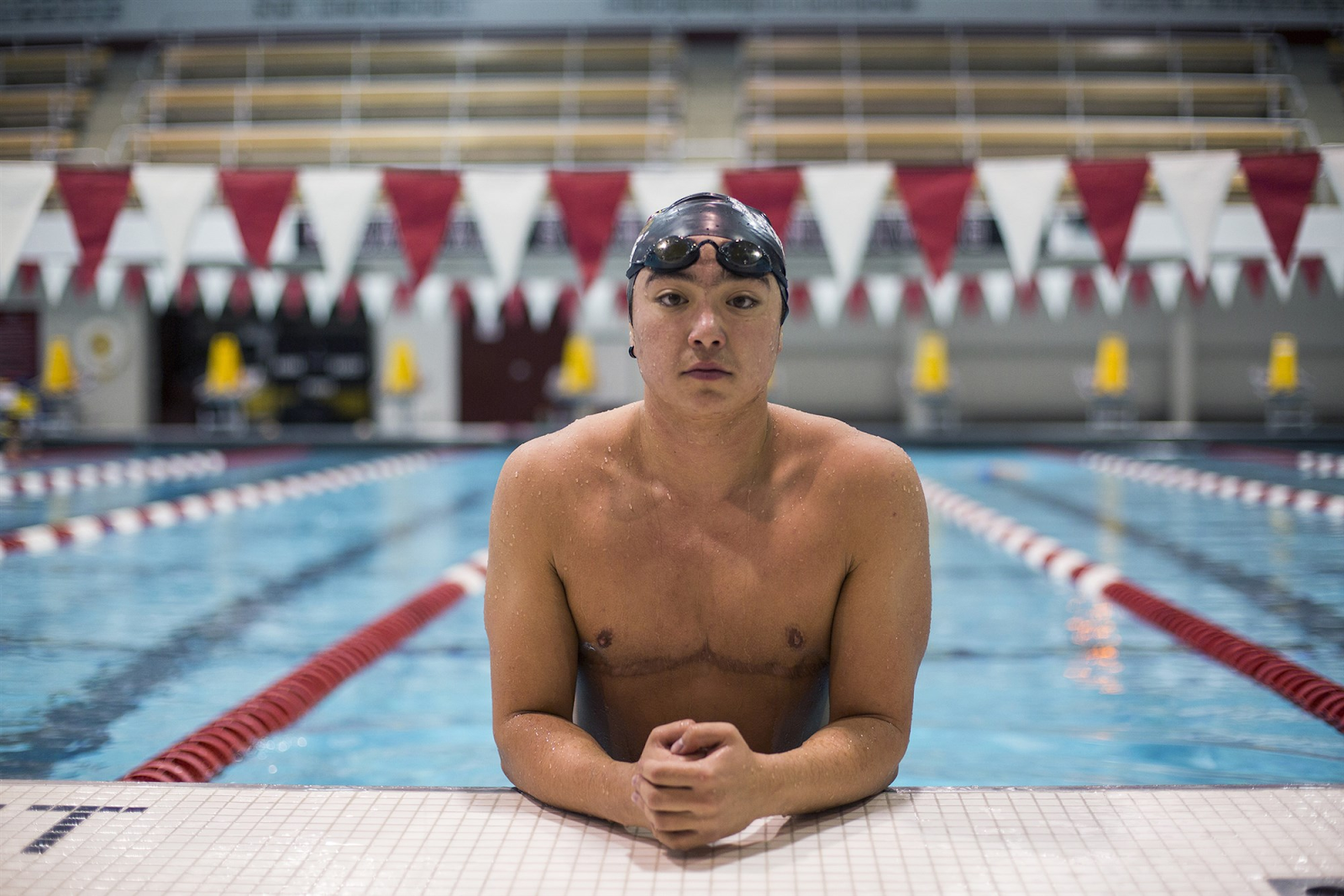




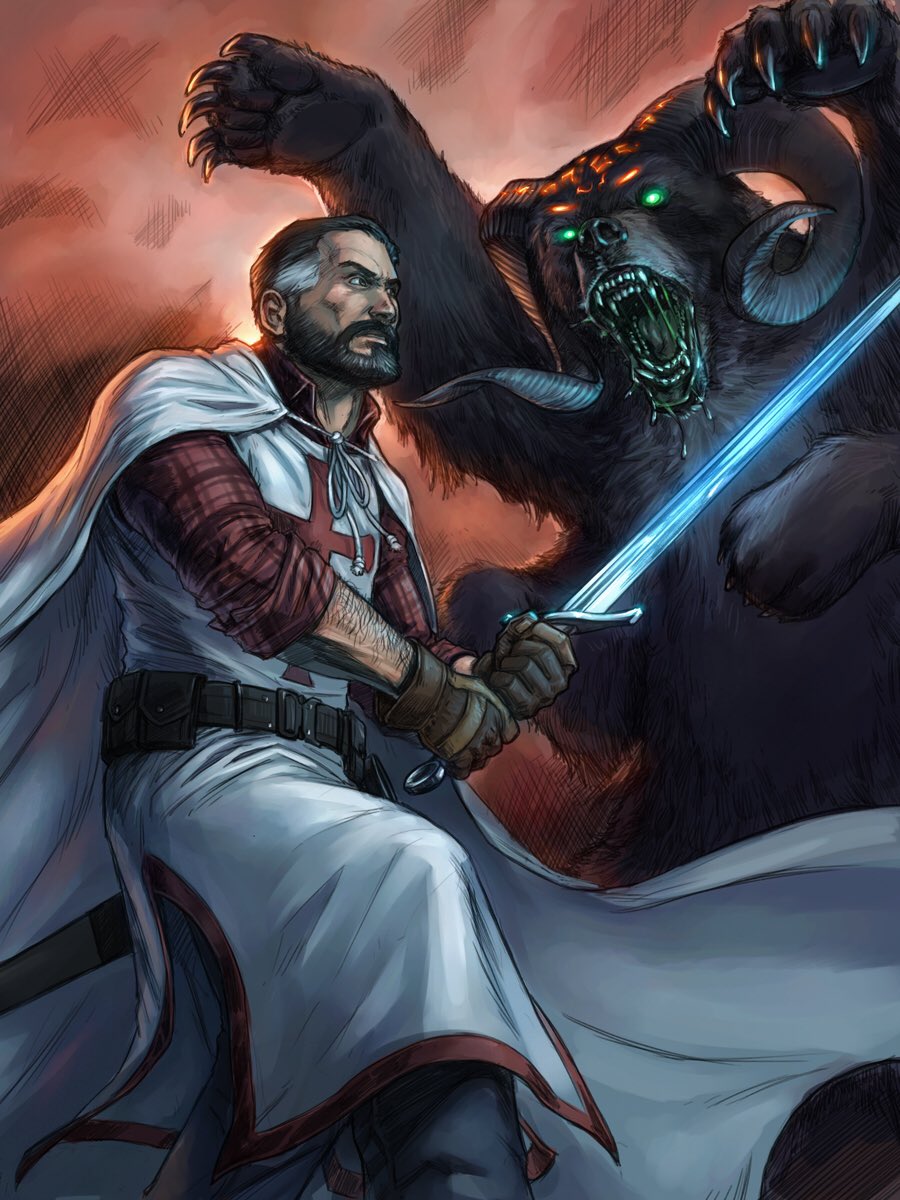
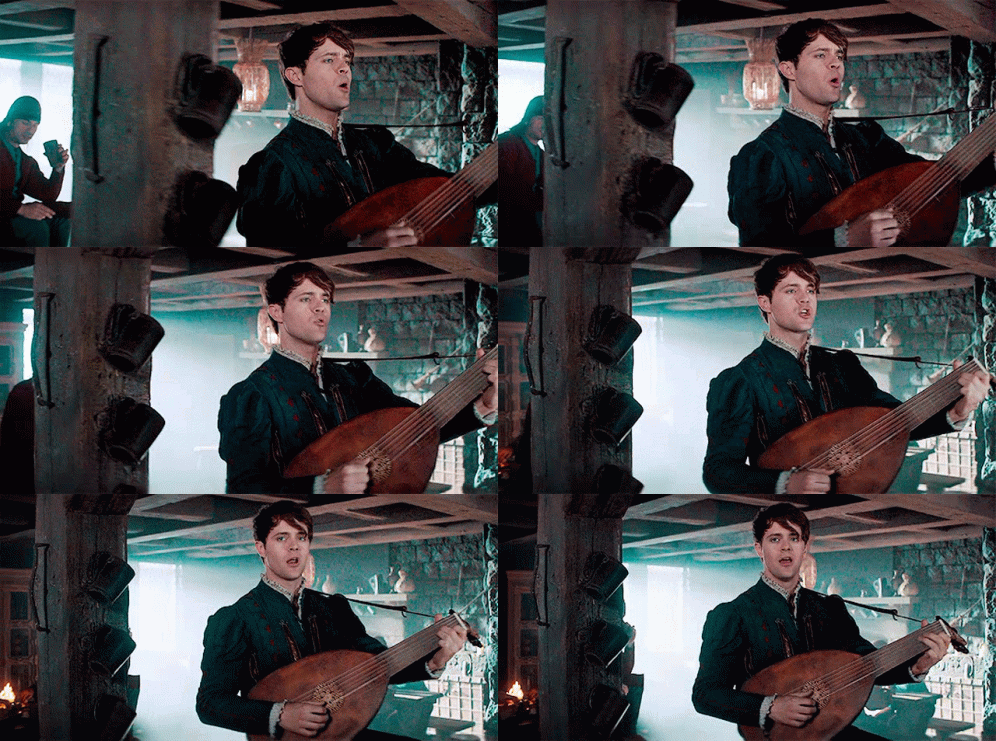


 Queerly Christian